Eating healthy does not only depend on what we have for breakfast, lunch, or dinner. The small foods we choose between meals can also have a major effect on our daily nutrition. When hunger appears in the middle of the morning or afternoon, it is easy to reach for biscuits, chips, sweets, or other convenient foods. These choices may satisfy hunger for a short time, but they often provide very little nutrition. Choosing healthy snack ideas for between meals can help keep the body energized, support better eating habits, and make the entire day feel more balanced.
I have learned that a good snack does not need to be complicated. Some of the most satisfying snacks are made with basic foods that are already available in the kitchen. Fresh fruits, vegetables, yogurt, nuts, eggs, and whole grains can all become simple snacks. The main idea is to choose foods that provide useful nutrients while also keeping hunger under control.
Healthy snacks can be especially helpful on busy days. When there is a long gap between meals, hunger can become strong enough to make us eat too quickly or choose more food than we actually need at the next meal. A small nutritious snack can prevent this problem. It gives the body something useful to work with and makes it easier to stay comfortable until the next proper meal.
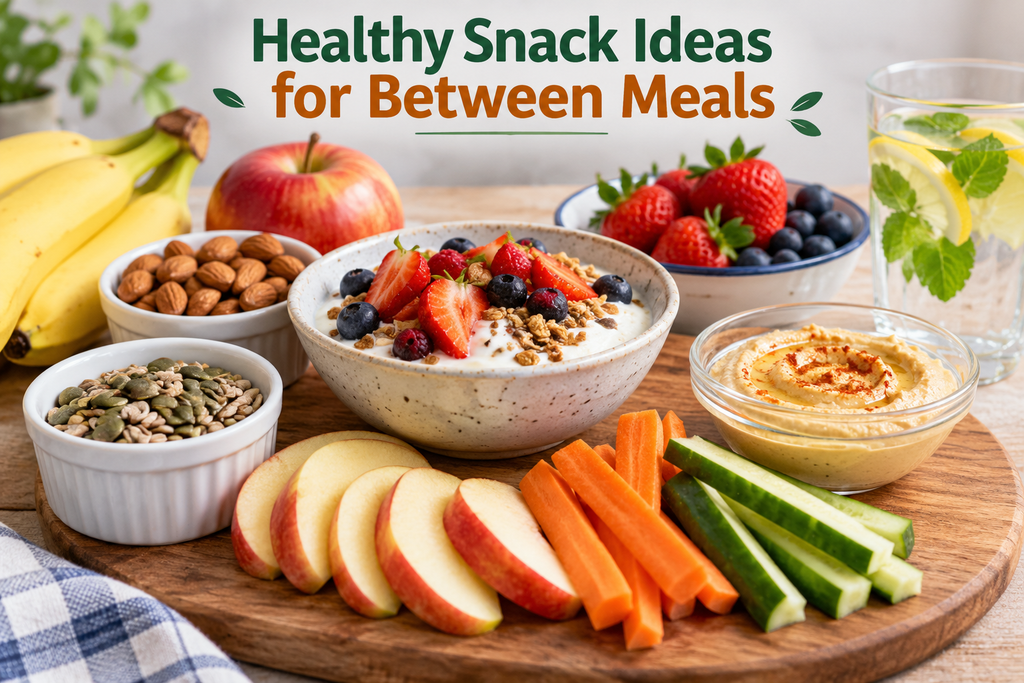
One of the easiest healthy snack options is fresh fruit. Apples, bananas, oranges, pears, grapes, peaches, and berries are naturally sweet and convenient to eat. Fruit also provides vitamins, minerals, water, and fiber. Fiber is useful because it helps food feel more satisfying. Instead of reaching for a sugary snack when I want something sweet, I find that a piece of fresh fruit can often satisfy the same craving in a much more balanced way.
An apple with a small amount of peanut butter is another simple snack that combines different nutrients. The apple provides fiber and natural sweetness, while peanut butter adds protein and healthy fats. This combination can feel more filling than eating fruit alone. It is important to choose peanut butter with a simple ingredient list when possible and use a sensible portion because nut butters are naturally rich foods.
Bananas can also be turned into a more satisfying snack by combining them with yogurt. Plain yogurt with sliced banana is creamy, naturally sweet, and easy to prepare. Yogurt can provide protein and calcium, while banana adds potassium, fiber, and carbohydrates. A small amount of cinnamon can be sprinkled on top for extra flavor without adding much sugar.
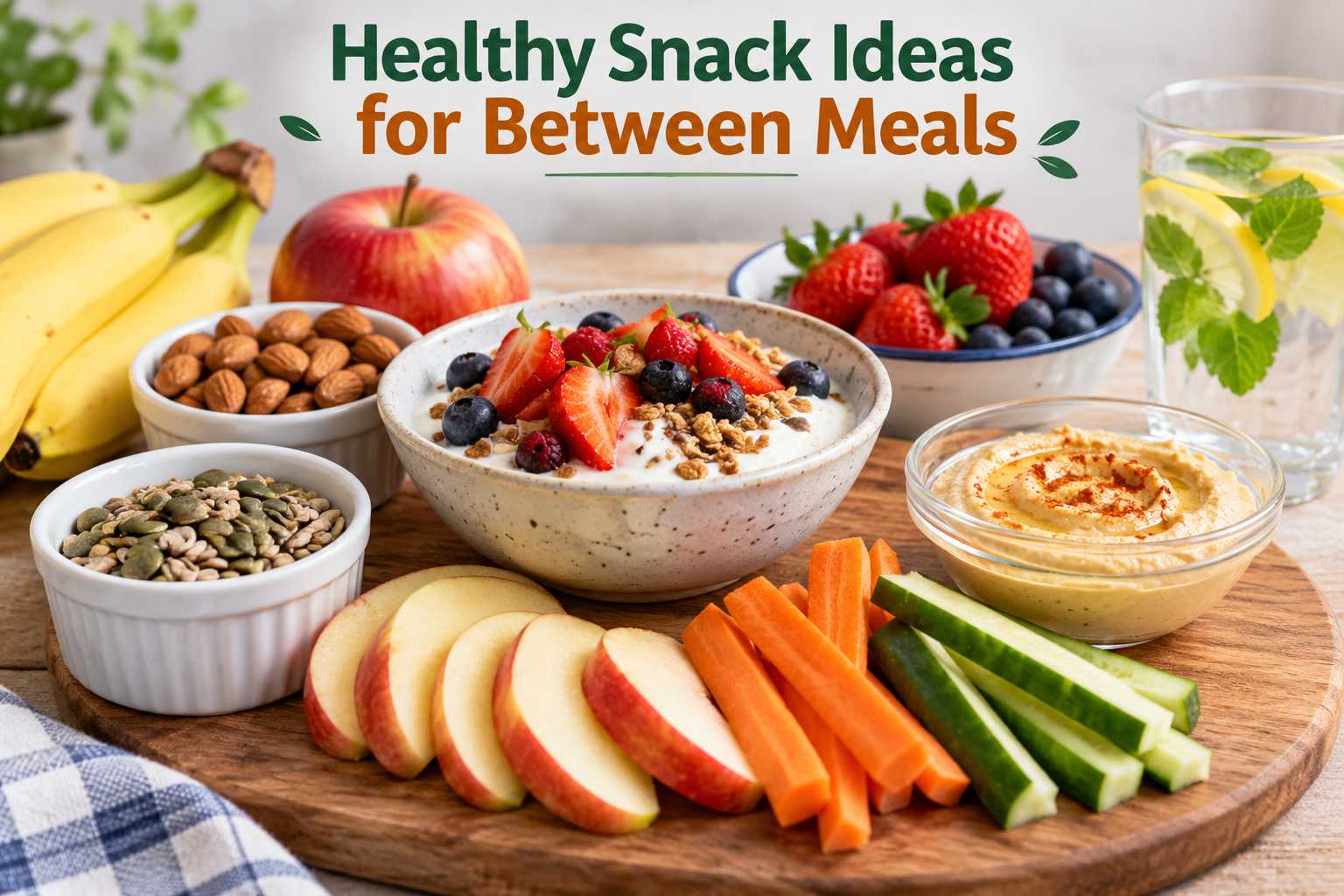
Greek yogurt is another excellent choice when looking for healthy snacks between meals. It is usually higher in protein than regular yogurt, which can help make a snack more satisfying. I like the idea of adding fresh berries, chopped fruit, or a few nuts instead of choosing heavily sweetened yogurt. This gives more control over sweetness and allows the natural flavor of the ingredients to stand out.
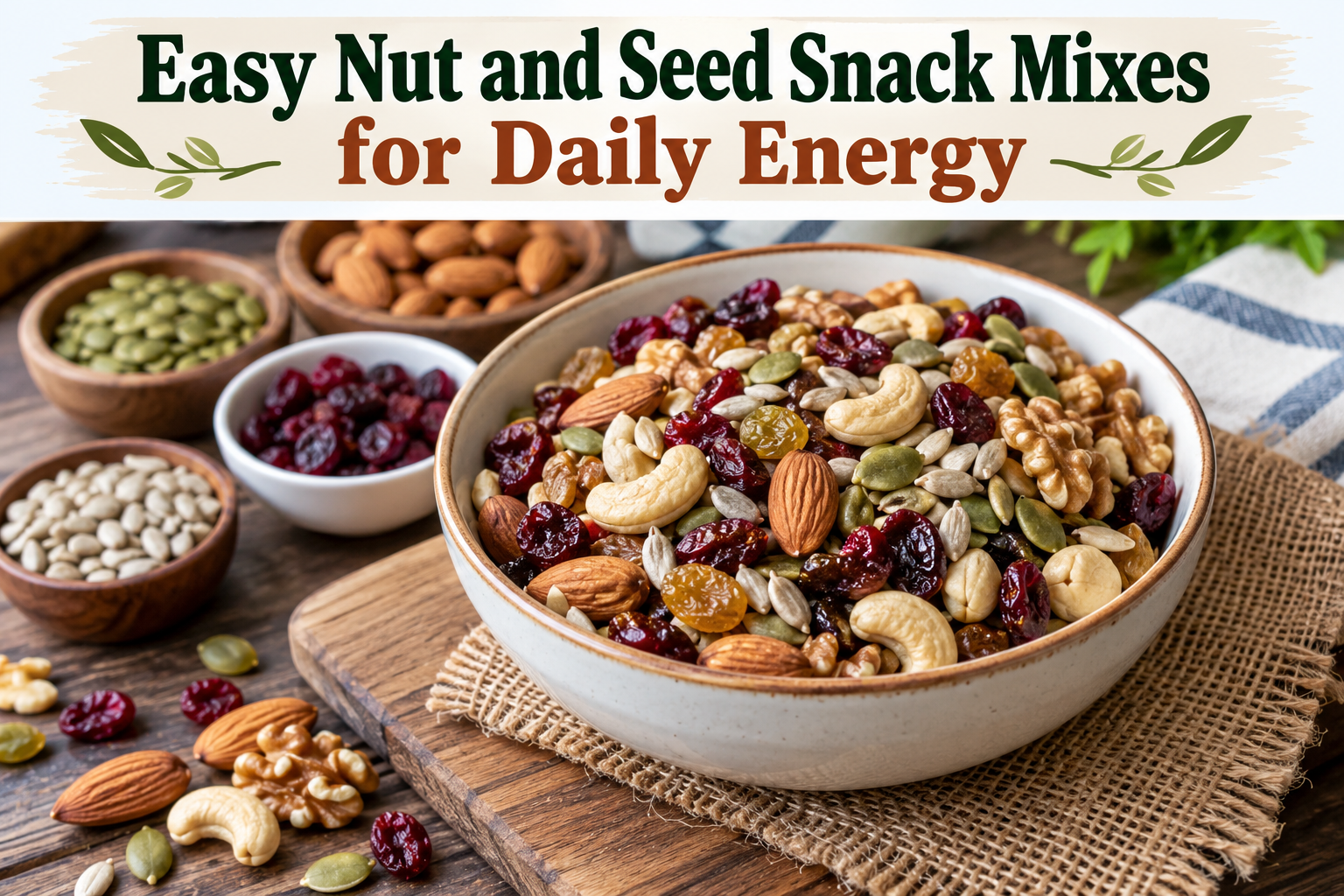
Nuts are one of the most convenient snacks to keep at home or carry when traveling. Almonds, walnuts, pistachios, cashews, and peanuts contain healthy fats, protein, and important minerals. Because nuts are filling, a small handful is often enough. Eating directly from a large packet can make portions difficult to notice, so placing a small amount in a bowl or container can be a useful habit.
Seeds can also be included in healthy snacks. Pumpkin seeds and sunflower seeds are easy to eat on their own, while chia seeds and flaxseeds can be added to yogurt or homemade snack bowls. These foods can provide fiber and healthy fats. Combining seeds with fruit can create a simple snack that has both texture and natural sweetness.
Vegetables are another excellent option for people who prefer savory snacks. Carrot sticks, cucumber slices, bell pepper pieces, celery, and cherry tomatoes can be prepared in advance and stored in the refrigerator. Having them ready makes healthy snacking much easier. When vegetables are washed and cut beforehand, they become almost as convenient as packaged snacks.
Vegetables can be enjoyed with hummus for a more filling snack. Hummus is commonly made from chickpeas, which provide plant based protein and fiber. Carrots with hummus or cucumber with hummus can be refreshing and satisfying at the same time. The combination also adds different textures, which can make a simple snack more enjoyable.
Boiled eggs are another practical choice. Eggs contain protein and several useful nutrients, and they can be prepared ahead of time. A boiled egg with cucumber slices, tomatoes, or a piece of fruit can work well when hunger is stronger. Keeping boiled eggs in the refrigerator can make it easier to avoid less nutritious options during a busy day.
Whole grain toast can also become a healthy snack when topped with nutritious ingredients. A slice of whole grain toast with avocado is simple and filling. Avocado provides healthy fats and a creamy texture. A little lemon juice, black pepper, or tomato can be added for flavor. Whole grain toast with peanut butter and banana is another option for people who prefer something slightly sweet.
Oatmeal does not have to be limited to breakfast. A small bowl of oats can make a warm and comforting snack between meals. Oats contain fiber and can be prepared with milk or water. Adding banana, apple pieces, cinnamon, nuts, or seeds can improve both flavor and nutrition. It can be especially useful on days when a light fruit snack does not feel filling enough.
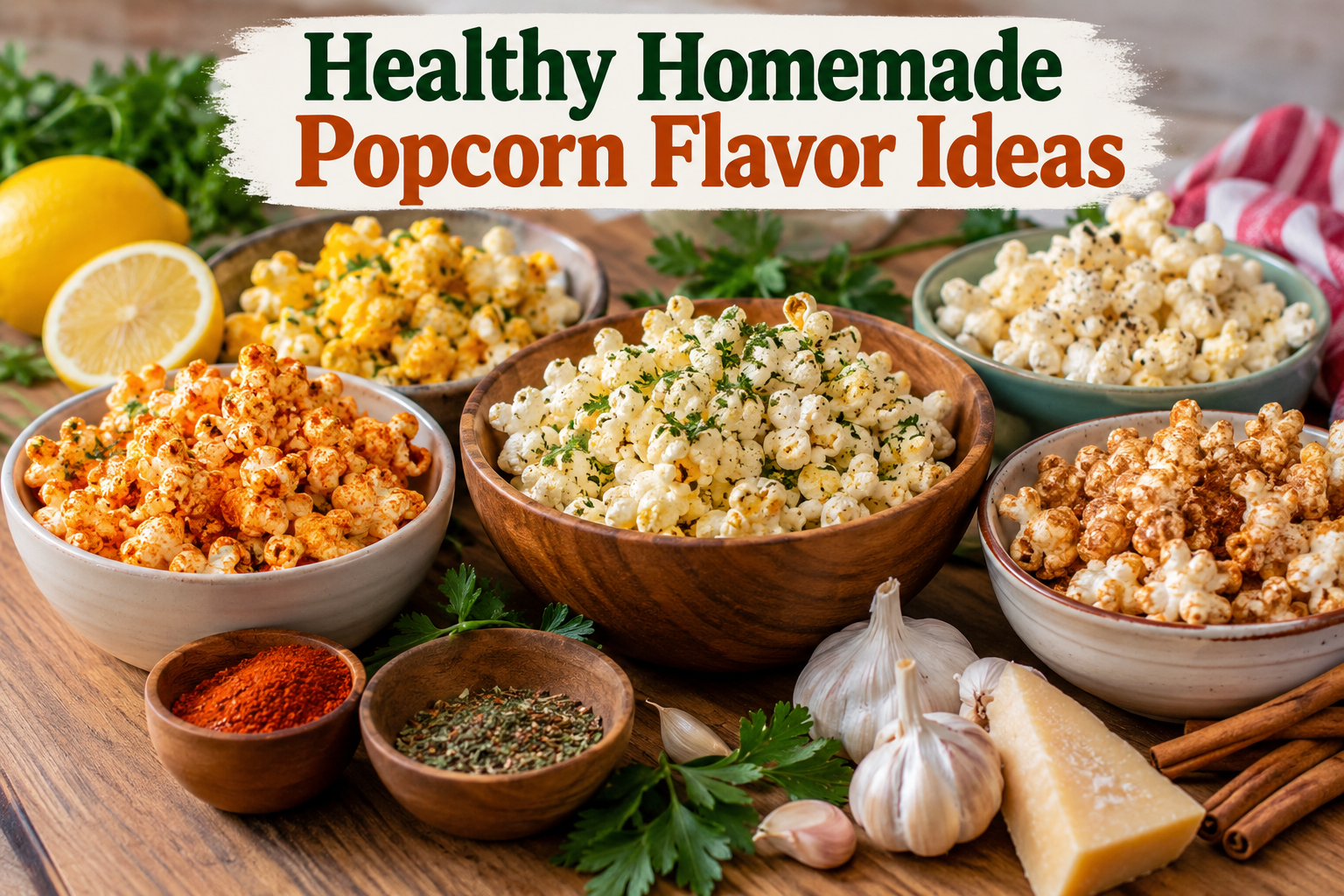
Popcorn can also be a reasonable snack when prepared simply. Plain air popped popcorn is made from whole grain corn and can provide fiber. The problem usually comes from large amounts of butter, salt, sugar, or flavored coatings. Preparing popcorn at home makes it easier to control the ingredients. A small bowl can satisfy the desire for something crunchy without automatically turning snack time into a heavy meal.
Homemade roasted chickpeas are another crunchy alternative. Chickpeas can be seasoned with mild spices and roasted until crisp. They provide plant protein and fiber and can be stored for convenient snacking. Their crunchy texture can make them a useful replacement for chips when the craving is more about texture than actual hunger.
Cottage cheese can be paired with fruit, cucumber, or tomato for a protein rich snack. Its mild flavor works with both sweet and savory ingredients. Cottage cheese with pineapple or berries can taste refreshing, while cottage cheese with tomato and black pepper creates a simple savory option. Choosing reasonable portions keeps the snack light enough for between meals.
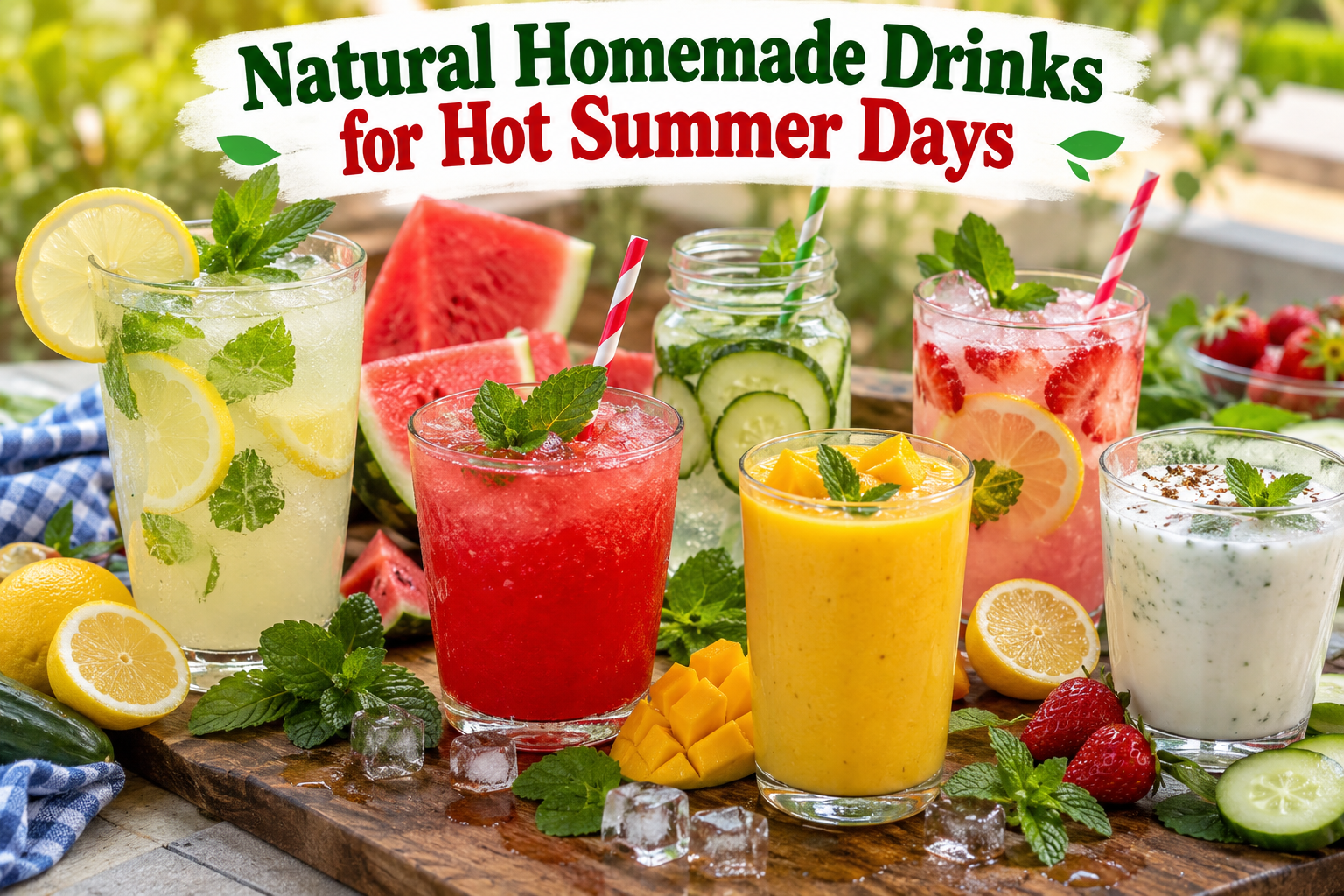
Smoothies can also be useful snacks when made with simple ingredients. A homemade smoothie can include fruit, yogurt, milk, oats, or seeds. The goal is not to fill the blender with every healthy ingredient available. A simple combination is usually enough. For example, banana, yogurt, and milk can create a smooth and filling drink. Berries with yogurt and a small amount of oats can make another balanced option.
When making smoothies, I prefer relying on the natural sweetness of fruit instead of adding a lot of sugar. Many fruits already provide enough sweetness. Using whole fruit also adds nutrients that are not found in ordinary sugary drinks.
Dates can be another option when craving something sweet. They have a naturally rich taste, so a small portion can be satisfying. A date filled with a little peanut butter or paired with a few nuts can create a simple snack. Since dried fruits are more concentrated than fresh fruits, portion awareness is useful.
Cheese can also fit into healthy snacking when eaten in moderate amounts. A small piece of cheese with apple slices, grapes, cucumber, or whole grain crackers can make a satisfying snack. The protein and fat from cheese can help balance the carbohydrates from fruit or crackers.
Whole grain crackers are useful when paired with something nutritious instead of eaten alone. They can be topped with hummus, avocado, cottage cheese, peanut butter, or slices of boiled egg. Checking the ingredient list can help when selecting crackers because some products contain more refined flour, salt, or added ingredients than expected.
Another useful snack idea is a homemade fruit and nut bowl. Mixing chopped apple, banana, berries, or grapes with a few nuts creates a colorful snack that feels more interesting than eating one ingredient alone. Yogurt can be added to turn it into a small snack bowl. This kind of snack can be easily changed depending on what is available at home.
Healthy snacking also depends on understanding hunger. Sometimes we eat because we are bored, tired, stressed, or simply because food is nearby. Before preparing a snack, it can be useful to ask whether the body actually feels hungry. If the answer is yes, choosing a nutritious snack makes sense. If thirst is the problem, a glass of water may be enough.
Water should remain part of the daily routine even when focusing on food. Mild thirst can sometimes feel similar to hunger. Drinking enough water during the day can make it easier to understand the body’s signals. Water, unsweetened tea, or other simple drinks are generally better everyday choices than sugary drinks.
Planning also makes healthy snacking easier. If nutritious foods are not available, convenience usually wins. Keeping fruits where they are easy to see, storing prepared vegetables in the refrigerator, boiling eggs ahead of time, or dividing nuts into small portions can reduce the effort needed when hunger arrives.
Portion size is another important part of healthy snacking. Even nutritious foods can turn a snack into a full meal if the portion is very large. Snacks are meant to support the time between meals rather than replace regular meals without a reason. A sensible portion should satisfy hunger while still allowing normal appetite when the next meal arrives.
It is also helpful to combine protein, fiber, or healthy fats whenever possible. Fruit with nuts, yogurt with berries, vegetables with hummus, or whole grain toast with avocado are good examples. These combinations often feel more satisfying because they provide more than one type of nutrient.
Healthy snack ideas for between meals do not require expensive ingredients, complicated recipes, or strict food rules. The best snacks are usually simple, practical, and enjoyable enough to become part of everyday life. Fresh fruit, vegetables, yogurt, nuts, seeds, eggs, whole grains, and other basic foods offer many possibilities.
The most important lesson is to prepare for hunger before it arrives. When healthy foods are available and easy to reach, making a good choice becomes much simpler. Over time, these small choices can support better eating habits and make daily meals feel more balanced. A healthy snack should not feel like a punishment or a difficult rule. It should simply be a convenient, enjoyable way to give the body useful nutrition between meals.