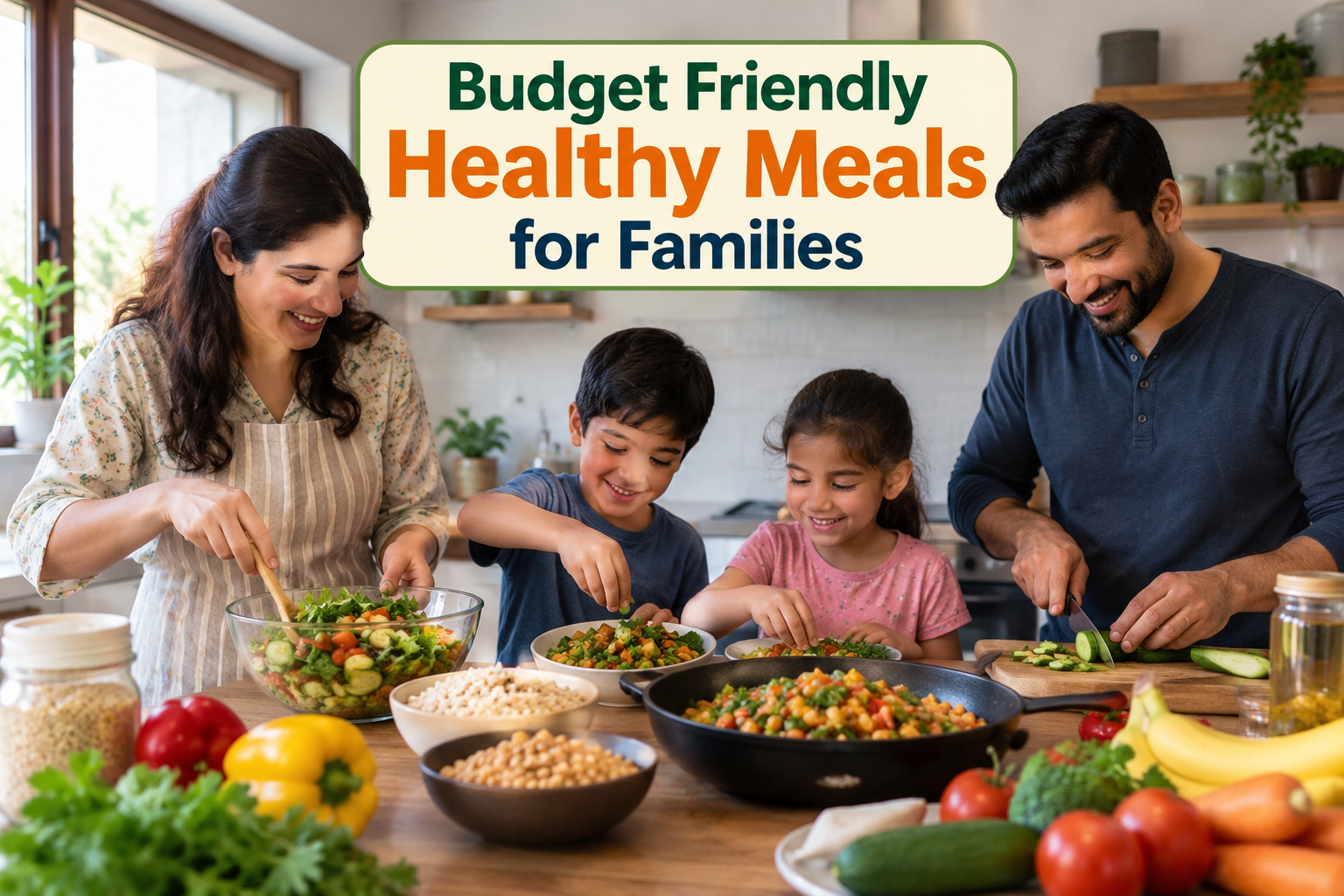
Preparing healthy food for the whole family can sometimes feel expensive, especially when grocery prices continue to rise. Many people believe that nutritious meals require costly ingredients, specialty products, or complicated recipes. In reality, healthy eating can be affordable when meals are planned carefully and simple ingredients are used wisely. Budget friendly healthy meals for families are not only possible, but they can also be delicious, filling, and easy to prepare.
I have always found that the best family meals are often the simplest ones. Fresh vegetables, whole grains, beans, eggs, seasonal fruits, chicken, potatoes, and basic pantry ingredients can create countless satisfying dishes. The key is learning how to combine affordable foods in a way that provides good nutrition without putting too much pressure on the household budget.
Why Budget Friendly Healthy Meals Matter
Food is one of the largest regular expenses for many families. When there are several people to feed every day, even small food costs can quickly add up. At the same time, parents naturally want to provide meals that support the health and growth of their children.
Budget friendly healthy meals help solve both problems. They make it possible to control grocery spending while still serving foods that contain protein, fiber, vitamins, minerals, and healthy carbohydrates.
Healthy meals do not have to include expensive ingredients. In fact, some of the most nutritious foods are also among the most affordable. Lentils, beans, oats, rice, potatoes, carrots, bananas, eggs, and seasonal vegetables are excellent examples.
Building meals around these ingredients can make family cooking much more economical.
Plan Meals Before Buying Groceries
Meal planning is one of the easiest ways to save money on food. Going to the grocery store without a clear plan often results in buying unnecessary products or ingredients that may never be used.
Before shopping, I like to think about what the family will eat during the coming week. A simple weekly plan might include rice and vegetables one evening, lentil soup another day, chicken with potatoes, pasta with vegetables, homemade sandwiches, and a bean dish.
Once the meals are decided, making a shopping list becomes much easier.
A good shopping list prevents impulse purchases and helps ensure that every ingredient has a purpose. It also reduces food waste because ingredients can be used across several meals.
For example, carrots purchased for vegetable soup can also be used in rice dishes, salads, and pasta later in the week.
Use Affordable Sources of Protein
Protein is an important part of a balanced diet, but meat can sometimes be expensive. Fortunately, families have many affordable protein options.
Eggs are one of the easiest choices. They can be prepared for breakfast, lunch, or dinner. Scrambled eggs with vegetables, vegetable omelets, boiled eggs with whole grain toast, and egg sandwiches are simple family meals.
Beans and lentils are also excellent sources of plant based protein. They are filling, inexpensive, and easy to store.
A large pot of lentil soup can feed the entire family and may provide leftovers for the next day. Beans can be added to rice, soups, salads, wraps, and vegetable dishes.
Chicken can also remain affordable when larger packs are purchased and divided into smaller portions for several meals.
Cook More Meals With Lentils and Beans
Lentils deserve a special place in budget friendly family cooking. They cook relatively quickly and work well with many flavors.
A simple lentil meal can be prepared with onions, tomatoes, garlic, carrots, spices, and a little cooking oil. Serve it with brown rice, whole grain bread, or a fresh salad.
Beans are equally useful. Kidney beans, chickpeas, black beans, and white beans can all become the base of healthy meals.
Chickpeas can be mixed with chopped tomatoes, cucumbers, onions, and lemon juice for a quick salad. Kidney beans can be served with rice and vegetables. White beans can be added to soups for extra protein and texture.
These meals are inexpensive but still satisfying enough for the whole family.
Make Rice and Vegetable Bowls
Rice is one of the most useful ingredients for feeding a family on a budget. It is affordable, versatile, and easy to combine with vegetables and protein.
A healthy rice bowl can start with cooked brown rice or regular rice. Add vegetables such as carrots, peas, corn, spinach, cabbage, or bell peppers. Then add beans, lentils, eggs, or small pieces of chicken.
A simple homemade sauce made with yogurt, lemon juice, herbs, or tomatoes can add extra flavor.
Rice bowls are especially useful when there are small amounts of different ingredients left in the refrigerator. Instead of throwing them away, they can be combined into one complete meal.
Prepare Healthy Vegetable Pasta
Pasta is another affordable family favorite. Instead of serving pasta with heavy sauces every time, it can be turned into a balanced meal by adding plenty of vegetables.
Cook pasta and mix it with a homemade tomato sauce prepared with tomatoes, onions, garlic, carrots, spinach, mushrooms, or zucchini.
Beans or lentils can also be added to increase protein and make the meal more filling.
A small amount of cheese can be added if desired, but the vegetables and tomato sauce should remain the main focus.
Vegetable pasta is especially helpful for families with children because vegetables can be chopped finely and blended into the sauce.
Use Potatoes in Healthy Family Meals
Potatoes are inexpensive, filling, and naturally rich in useful nutrients. Their nutritional value depends greatly on how they are prepared.
Instead of deep frying potatoes, families can bake, boil, roast, or steam them.
Baked potatoes can be topped with beans, vegetables, yogurt, herbs, or a small amount of cheese. Roasted potatoes can be served with chicken and vegetables.
Potato and vegetable soup is another economical option during colder months.
Sweet potatoes can also be used when available at a reasonable price. They work well in soups, baked dishes, and simple vegetable meals.
Buy Seasonal Fruits and Vegetables
Fresh produce becomes much more affordable when it is purchased during its natural growing season. Seasonal fruits and vegetables are often cheaper because they are available in larger quantities.
Instead of deciding that the family must eat one specific vegetable every week, it can be better to see what is affordable at the market.
Carrots, cabbage, spinach, tomatoes, cucumbers, onions, pumpkin, peas, and potatoes can all be used in simple home cooking.
Seasonal fruit can replace expensive packaged desserts and snacks. Bananas, apples, oranges, melons, or other locally available fruits can provide natural sweetness without requiring much preparation.
Prepare Homemade Soups
Soup is one of the best budget friendly healthy meals for families because it allows small quantities of ingredients to feed several people.
Vegetable soup can be prepared with onions, carrots, potatoes, tomatoes, cabbage, lentils, and herbs. Chicken soup can include a small amount of chicken along with vegetables and grains.
Adding beans, lentils, rice, barley, or potatoes makes soup more filling.
Soup is also a practical way to use vegetables that may be slightly soft but are still safe to eat.
Instead of allowing those vegetables to go to waste, they can become part of a warm and nutritious family dinner.
Try Homemade Wraps and Sandwiches
Wraps and sandwiches do not need to contain expensive processed meats.
Whole grain bread or homemade flatbread can be filled with eggs, beans, chicken, vegetables, hummus, or yogurt based spreads.
A simple egg and vegetable sandwich can be prepared with boiled eggs, lettuce, tomatoes, cucumbers, and a light homemade sauce.
Chicken left over from dinner can be shredded and used in wraps the next day.
This approach saves both time and money while preventing food waste.
Make Breakfast Affordable and Nutritious
Breakfast can easily become expensive when families rely on packaged cereals, pastries, or ready made breakfast products.
Oatmeal is a much more economical option.
Cook oats with milk or water and add banana slices, apples, raisins, cinnamon, or a small amount of nuts or seeds.
Eggs with whole grain toast are another simple choice.
Homemade yogurt bowls with fruit and oats can also provide a filling breakfast.
These meals use basic ingredients but can keep both adults and children satisfied throughout the morning.
Cook Larger Portions and Use Leftovers
Cooking larger portions can reduce both food expenses and kitchen time.
If you prepare a large pot of beans, lentils, rice, soup, or stew, part of it can be stored for another meal.
Leftover rice can become vegetable rice the next day. Roasted chicken can become sandwiches or wraps. Cooked vegetables can be added to an omelet.
Thinking of leftovers as ingredients rather than repeated meals makes family cooking more interesting.
Properly storing leftovers is important. Refrigerate cooked foods promptly and use them within a safe period.
Reduce Packaged and Convenience Foods
Packaged foods may look convenient, but they often cost more per serving than basic ingredients.
Ready made meals, packaged snacks, sugary cereals, and individual snack packs can quickly increase a grocery bill.
Buying larger containers of simple foods is usually more economical.
For example, a large container of yogurt can cost less than several small individual cups. A bag of oats usually provides many more breakfasts than a box of sweet cereal.
Homemade popcorn, fruit, boiled eggs, yogurt, and vegetable sticks can also be affordable alternatives to packaged snacks.
Keep Simple Pantry Staples at Home
A well stocked pantry makes it easier to prepare healthy meals without making frequent trips to the store.
Useful staples include rice, oats, pasta, lentils, beans, canned tomatoes, flour, herbs, spices, and basic cooking oil.
Onions, garlic, and potatoes are also useful because they can be included in many recipes.
With only a few pantry ingredients and some fresh vegetables, families can prepare several different meals.
For example, rice, lentils, onions, tomatoes, and spices can create a simple lentil and rice dinner. Pasta, tomatoes, garlic, and vegetables can become a healthy pasta dish.
Having these ingredients available reduces the temptation to order expensive food when there is nothing planned for dinner.
Make Healthy Food Enjoyable for Children
Children are more likely to enjoy healthy meals when the food feels familiar and enjoyable.
Instead of completely changing their favorite meals, healthier ingredients can be introduced gradually.
If children enjoy pasta, add vegetables to the sauce. If they like sandwiches, include cucumber, tomatoes, eggs, or grilled chicken.
Homemade mini pizzas can be prepared with whole grain bread, tomato sauce, vegetables, and a little cheese.
Children can also help wash vegetables, mix ingredients, or arrange food on plates. Being involved in food preparation may make them more interested in trying what they helped create.
Avoid Food Waste
Reducing food waste is one of the most effective ways to lower the family food budget.
Before buying more groceries, check the refrigerator, freezer, and pantry.
Use vegetables that need to be eaten first. Freeze extra bread, cooked beans, or suitable leftovers before they spoil.
Fruit that becomes very ripe can be added to smoothies, oatmeal, or homemade desserts.
Small amounts of vegetables can become soup, fried rice, omelets, or pasta sauce.
When nearly every ingredient purchased is actually eaten, the household food budget becomes much easier to manage.
Final Thoughts
Budget friendly healthy meals for families do not require expensive ingredients or complicated cooking techniques. The most practical approach is to focus on simple foods, thoughtful meal planning, seasonal produce, affordable proteins, and careful use of leftovers.
Rice, lentils, beans, eggs, vegetables, oats, potatoes, pasta, fruits, and small portions of meat can create dozens of nutritious family meals.
Healthy eating becomes much easier when we stop thinking of it as a collection of expensive specialty foods and begin seeing it as a way of using everyday ingredients wisely.
A homemade lentil soup, vegetable pasta, rice bowl, baked potato, oatmeal breakfast, or egg sandwich may be simple, but these meals can still provide comfort, nutrition, and satisfaction.
For families trying to save money, the goal does not have to be preparing perfect meals every day. A better goal is creating simple, balanced food that everyone can enjoy and that fits comfortably within the family budget. With a little planning and creativity, healthy family cooking can remain affordable, practical, and enjoyable throughout the week.