Preparing healthy food for children can sometimes feel more difficult than it should. Kids often have strong preferences, busy families may have limited cooking time, and parents naturally want meals that are both nutritious and enjoyable. The good news is that healthy recipes for kids do not need complicated ingredients or hours in the kitchen. With a few simple foods and some creativity, it is possible to make meals that children enjoy while also providing important nutrients.
I believe the easiest approach is to keep food simple, colorful, and familiar. Children are usually more comfortable eating ingredients they recognize. Instead of completely changing their favorite meals, small improvements can make everyday food healthier. Adding fruit to breakfast, vegetables to pasta, or yogurt to a snack can gradually build better eating habits.
Here are some healthy recipes for kids that are easy to prepare and practical for everyday family life.
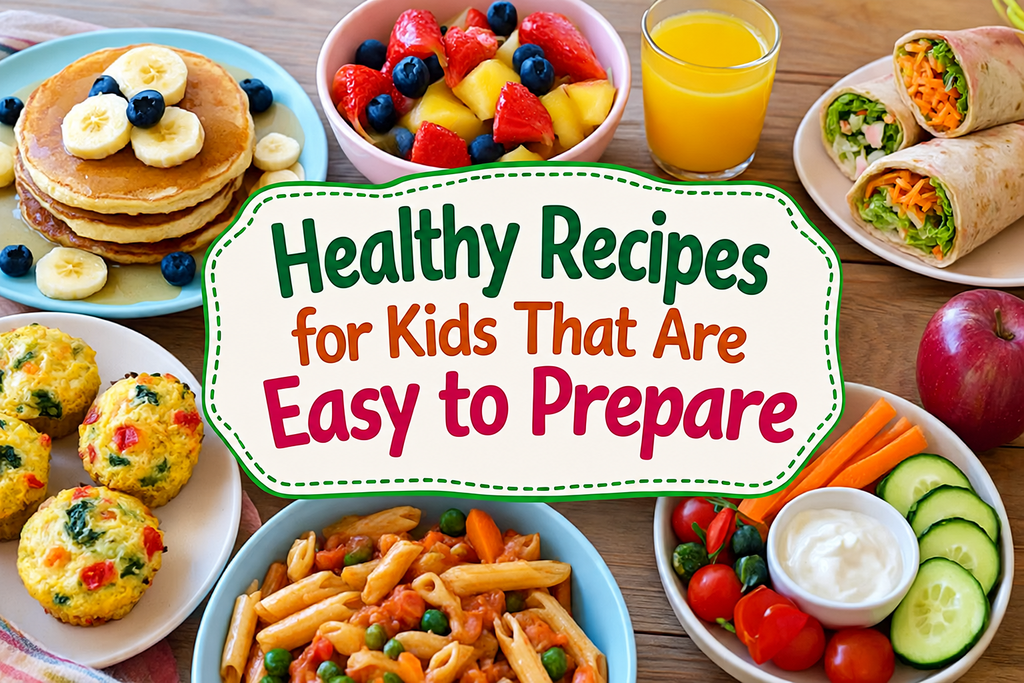
Banana Oat Breakfast Pancakes
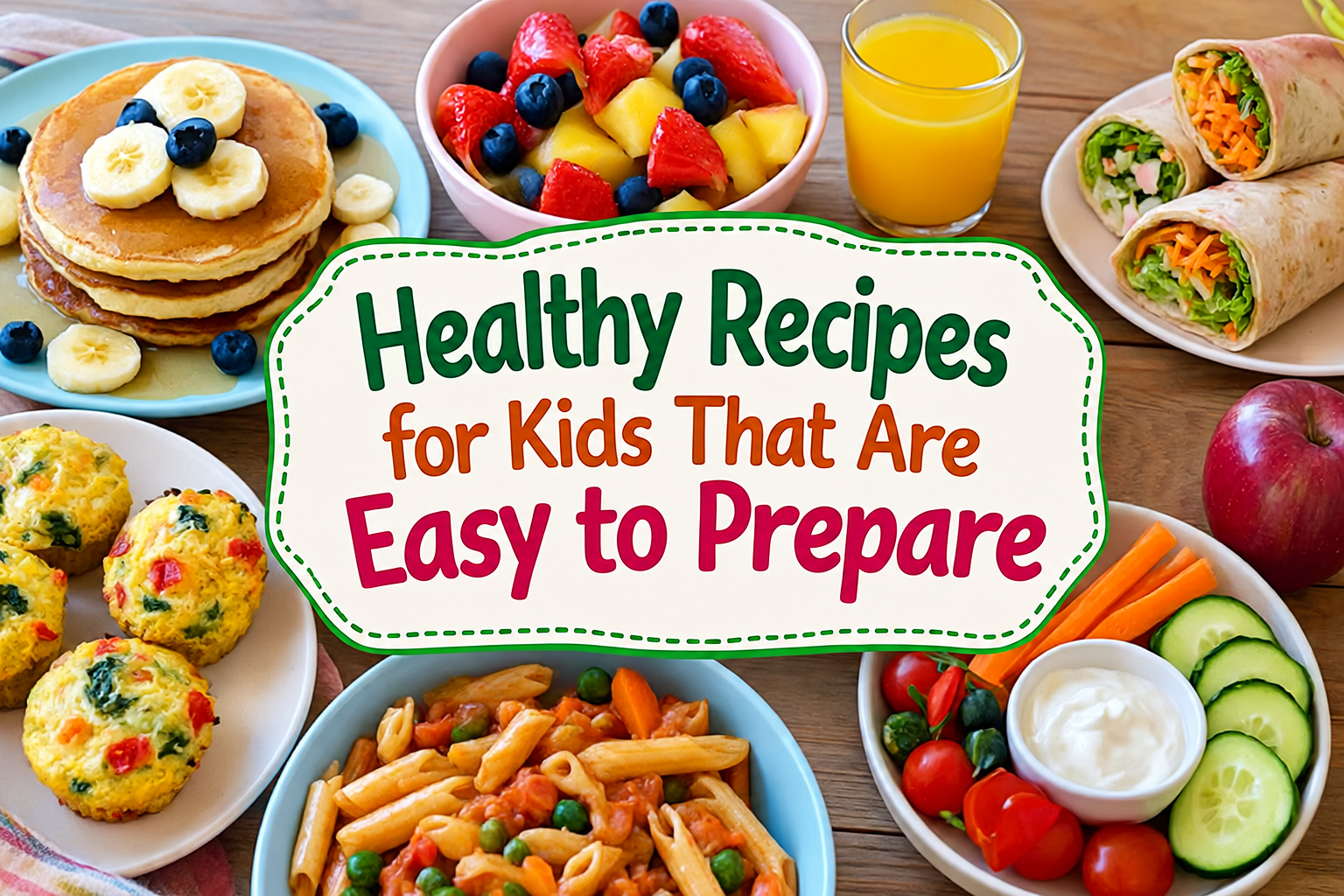
Pancakes are popular with many children, and they can easily be made with more nutritious ingredients. Banana oat pancakes are naturally sweet and require only a few basic foods.
Mash one ripe banana in a bowl. Add one egg, half a cup of finely ground oats, a little milk, and a small amount of cinnamon. Mix everything until you have a smooth batter.
Heat a nonstick pan and spoon small portions of the mixture into it. Cook each pancake until the bottom becomes firm, then turn it over and cook the other side.
Serve the pancakes with fresh banana slices, strawberries, blueberries, or plain yogurt.
Bananas provide natural sweetness, which means there is usually no need to add much sugar. Oats also make the breakfast more filling and provide fiber. This recipe works well on school mornings because the ingredients are simple and the pancakes cook quickly.
Colorful Vegetable Egg Muffins
Egg muffins are an easy way to include vegetables in a child’s breakfast or lunch. They are also convenient because several portions can be prepared at once.
Beat four eggs in a bowl. Add finely chopped vegetables such as spinach, carrots, bell peppers, tomatoes, or sweet corn. Stir in a small amount of grated cheese if your children enjoy it.
Lightly grease a muffin tray and pour the mixture into each section. Bake until the eggs are completely cooked and the tops are lightly golden.
These little egg muffins are easy for children to hold and can be served with whole grain toast or fresh fruit.
The recipe can also be adjusted according to what you have available at home. Using different vegetables each time keeps the meal interesting while helping children become familiar with a greater variety of foods.
Apple Cinnamon Oatmeal
Warm oatmeal is one of the simplest healthy recipes for kids. It can be prepared in just a few minutes and changed with different fruits and toppings.
Cook oats with milk or water until they become soft and creamy. Add small pieces of fresh apple and a little cinnamon during the final minutes of cooking.
For extra flavor, you can add raisins, chopped dates, or a spoonful of plain yogurt after cooking.
The natural sweetness of apple and cinnamon makes the oatmeal enjoyable without requiring a large amount of added sugar. It is a comforting breakfast that can help children feel satisfied throughout the morning.
Yogurt and Fruit Breakfast Bowl
A yogurt and fruit bowl is especially useful on busy mornings when there is little time for cooking.
Place plain yogurt in a bowl and add chopped banana, berries, apple, mango, or any seasonal fruit your child likes. Sprinkle a small amount of oats or crushed unsweetened cereal on top.
You can also add a few finely chopped nuts or seeds when they are suitable for the child’s age and there are no allergy concerns.
This breakfast has different textures and bright colors, which can make it more appealing to children. Allowing kids to choose their own fruit toppings can also make breakfast more enjoyable.
Easy Chicken and Vegetable Wraps
Wraps are an excellent choice for lunch because they are quick to assemble and easy to customize.
Take a soft whole grain tortilla and spread a small amount of plain yogurt or hummus over it. Add cooked shredded chicken, grated carrot, cucumber, lettuce, tomato, or sweet corn.
Roll the tortilla tightly and cut it into smaller pieces for younger children.
Chicken provides protein, while vegetables add color, texture, and useful nutrients. If your child does not eat meat, mashed beans or chickpeas can be used instead.
Children often enjoy meals that they can hold in their hands, so wraps may be more appealing than serving the same ingredients separately on a plate.
Homemade Vegetable Pasta
Pasta is a familiar food for most children, making it a useful base for healthier family meals.
Cook your child’s favorite pasta according to the package instructions. In another pan, cook finely chopped onion, tomatoes, carrots, zucchini, peas, or bell peppers until soft.
Add a simple tomato sauce and mix it with the cooked pasta. A small amount of grated cheese can be sprinkled on top before serving.
Whole grain pasta can be used if your family enjoys it. If your child is not used to its taste, you can begin by mixing some whole grain pasta with regular pasta.
This is an easy way to introduce vegetables while keeping the meal familiar and comforting.
Mini Homemade Pizzas
Pizza does not always need to be an unhealthy meal. Making it at home gives you control over the ingredients and allows children to take part in the preparation.
Use a small whole grain flatbread or pita as the base. Spread a thin layer of tomato sauce over it and add vegetables such as mushrooms, tomatoes, sweet corn, spinach, or bell peppers.
Add some cooked chicken if desired and finish with a moderate amount of cheese.
Bake until the cheese melts and the base becomes lightly crisp.
One of the best things about homemade pizza is that children can choose their own toppings. When kids participate in preparing food, they may become more interested in trying what they have made.
Chicken and Rice Vegetable Bowl
A simple rice bowl can provide a balanced meal without requiring complicated cooking.
Place cooked rice in a bowl and add small pieces of cooked chicken. Add steamed vegetables such as peas, carrots, broccoli, or sweet corn.
A spoonful of plain yogurt can be added for a creamy texture. For older children, herbs or mild seasonings can provide additional flavor.
This recipe is useful for using leftover cooked chicken or rice. It can also be adapted with beans, lentils, or eggs when you want a meat free option.
Sweet Potato Bites
Sweet potatoes have a naturally pleasant flavor that many children enjoy.
Wash and peel a sweet potato, then cut it into small cubes or thin wedges. Toss the pieces with a very small amount of oil and mild seasoning.
Bake them until they are soft inside and lightly browned outside.
These bites can be served as a side dish with chicken, eggs, fish, or homemade sandwiches. They can also work as an afternoon snack.
Baking instead of deep frying keeps the preparation simple while still giving the sweet potatoes an enjoyable texture.
Homemade Fruit and Yogurt Pops
Children often ask for something cold and sweet, particularly during warm weather. Homemade fruit and yogurt pops can be a refreshing alternative to heavily sweetened frozen desserts.
Blend plain yogurt with ripe banana, mango, strawberries, peaches, or berries. Pour the mixture into small molds and freeze until firm.
Ripe fruit usually provides enough sweetness, so additional sugar may not be necessary.
Children can help choose the fruits and fill the molds, turning snack preparation into a simple family activity.
Banana Peanut Butter Toast
For children who can safely eat peanuts, banana and peanut butter toast is a quick and filling snack.
Toast a slice of whole grain bread and spread a thin layer of peanut butter over it. Place banana slices on top and sprinkle with a little cinnamon if desired.
Always use nut products in forms appropriate for the child’s age, and avoid them when there is a known allergy.
The combination is simple, tasty, and useful when children need a snack after school or before an active afternoon.
Homemade Apple Yogurt Dip
Fruit becomes more exciting when children have something tasty to dip it into.
Mix plain yogurt with a little mashed banana and cinnamon. Serve it with sliced apples, pears, strawberries, or other soft fruits.
This recipe takes only a few minutes and requires no cooking.
For younger children, always prepare fruit in pieces that are suitable for their age and easy to chew.
Easy Vegetable and Cheese Sandwich
Sandwiches are useful for school lunches and quick meals at home.
Use whole grain bread and add a thin layer of soft cheese, hummus, or mashed avocado. Add cucumber, grated carrot, lettuce, or thin tomato slices.
You can also include cooked egg or chicken for additional protein.
Cutting sandwiches into small squares or fun shapes can make them more appealing without changing the ingredients.
Banana Oat Energy Bites
Homemade snack bites are simple to prepare and useful when children want something between meals.
Mash one ripe banana and mix it with oats. Add a little cinnamon and some finely chopped dried fruit. Shape the mixture into small balls or flat bites.
Depending on the texture, they can be chilled or lightly baked until firm.
These snacks use familiar ingredients and can be prepared in advance for busy days.
Simple Tips for Making Healthy Food More Appealing to Kids
Children often respond to the appearance and experience of food as much as the flavor. A plate containing several natural colors can look more interesting than a meal where everything looks the same.
Try combining foods with different colors, such as green cucumber, orange carrot, red strawberries, yellow corn, and blueberries.
Serving smaller portions can also help. A very large plate may feel overwhelming, particularly when children are trying something new. You can always offer more if they are still hungry.
Another helpful idea is to involve children in age appropriate kitchen tasks. They can wash fruit, mix ingredients, select vegetables, or arrange toppings. Food preparation becomes more interesting when children feel included.
It is also normal for children to need repeated opportunities to become comfortable with unfamiliar foods. There is no need to turn every meal into a struggle. Continue offering a variety of foods alongside familiar choices and allow healthy habits to develop gradually.
Healthy Eating Does Not Need to Be Complicated
When preparing healthy recipes for kids, perfection is not necessary. What matters most is the overall pattern of eating. A useful everyday approach is to offer a mixture of fruits, vegetables, grains, protein foods, and dairy or suitable alternatives.
Fresh ingredients are valuable, but frozen vegetables and fruits can also be practical. They are convenient, last longer, and can make healthy cooking easier for busy families.
Simple foods such as eggs, oats, bananas, yogurt, rice, beans, vegetables, chicken, and whole grain bread can create many different meals without requiring expensive or unusual ingredients.
Water is also an important everyday drink. Keeping water easily available can help children become accustomed to choosing it regularly.
Final Thoughts
Healthy recipes for kids that are easy to prepare can make family meals less stressful and more enjoyable. The goal does not have to be creating complicated dishes every day. Simple recipes made with familiar ingredients can provide plenty of variety and nutrition.
Banana oat pancakes, vegetable egg muffins, homemade pizza, chicken wraps, colorful pasta, fruit yogurt pops, and vegetable rice bowls are just a few examples of meals that are practical for everyday cooking.
The most useful approach is to introduce healthy foods naturally rather than making them feel like a punishment. Children can explore different flavors, help prepare meals, and gradually learn to enjoy a wider variety of ingredients.
With a little planning and creativity, nutritious food can also be fun, affordable, colorful, and easy to prepare. Small choices made regularly can help build positive eating habits that children can carry with them as they grow.