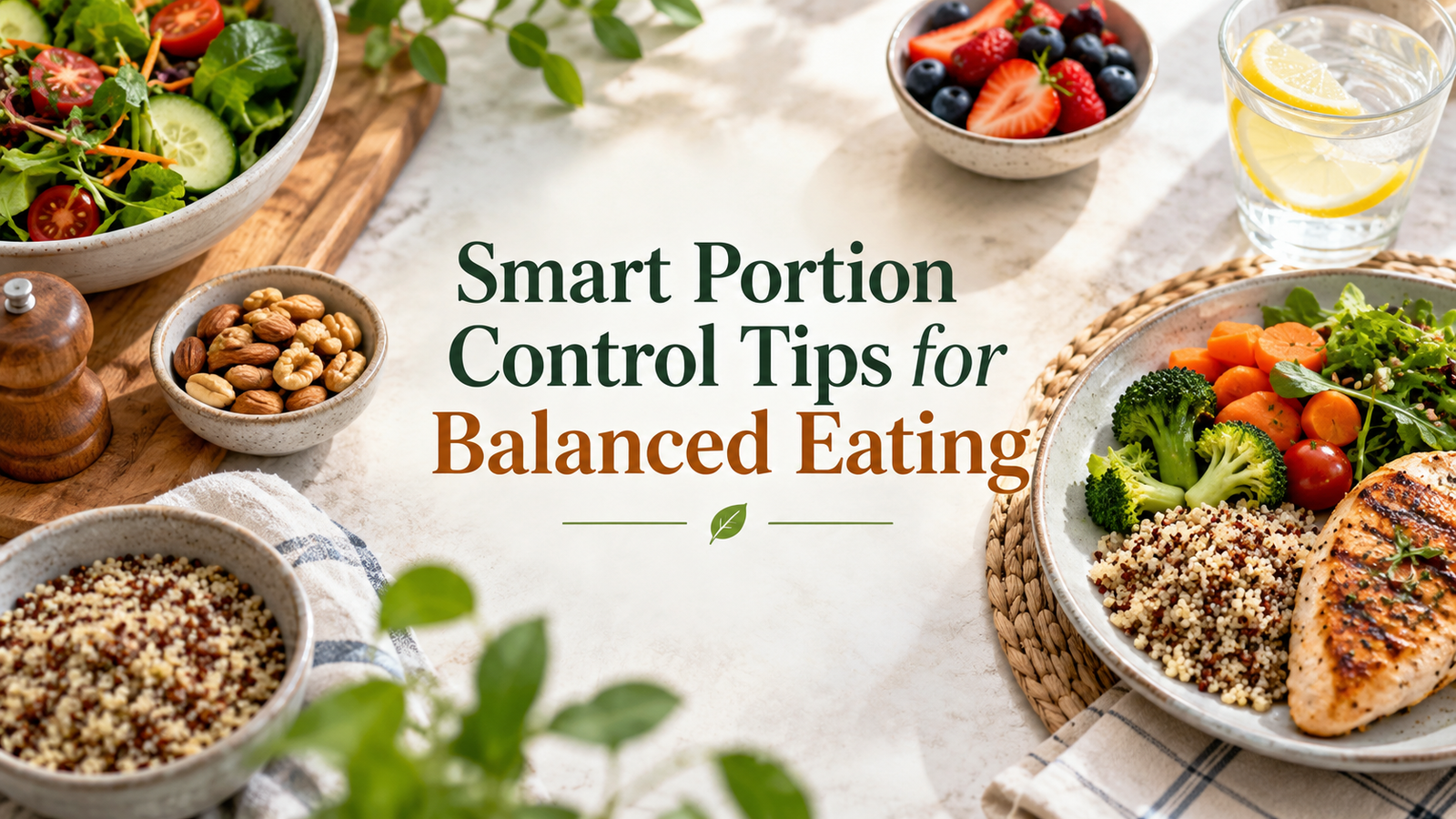
Eating healthier does not always mean following a strict diet, buying expensive foods, or completely changing the way you eat. In many cases, the best improvements come from simple changes made in your own kitchen. Learning how to make everyday meals healthier at home can help you enjoy balanced food while still eating the dishes you already love.
Home cooking gives you more control over ingredients, portions, cooking methods, and flavors. You can decide how much oil, salt, sugar, vegetables, protein, and whole grains go into your food. This makes it easier to create meals that are both nutritious and enjoyable.
The goal is not to make every meal perfect. A healthier routine is usually built through small choices that can be repeated every day. When these choices become normal habits, healthy eating starts to feel simple rather than difficult.
Start With Simple Whole Foods
One of the easiest ways to make everyday meals healthier at home is to begin with simple ingredients. Fresh vegetables, fruits, whole grains, beans, eggs, fish, chicken, yogurt, nuts, and seeds can provide the foundation for many balanced meals.
Whole foods usually require less processing and allow you to know exactly what you are eating. A bowl made with brown rice, vegetables, chicken, and a homemade yogurt sauce is easy to understand because every ingredient is visible.
This does not mean that every packaged food should be avoided. Convenience can be useful. The important thing is to make simple foods the main part of your meals whenever possible.
Keeping basic ingredients at home also makes healthy cooking easier. When vegetables, grains, eggs, and useful proteins are already available, preparing a balanced meal becomes much faster.
Add More Vegetables to Regular Meals
Vegetables are one of the simplest ways to improve everyday meals without completely changing your favorite recipes. They add color, texture, fiber, and important nutrients.
You do not need to eat vegetables only as salads. They can be included naturally in many familiar dishes.
Add chopped carrots, peas, spinach, peppers, mushrooms, tomatoes, or beans to rice dishes. Mix vegetables into pasta sauces. Add onions, tomatoes, spinach, or peppers to eggs. Serve roasted vegetables alongside chicken or fish.
Even sandwiches and wraps can become more balanced with lettuce, cucumber, tomatoes, grated carrots, or other fresh vegetables.
Try to make vegetables a normal part of meals rather than something you only eat when you are trying to be healthy.
Choose Better Cooking Methods
The way food is cooked can make a noticeable difference in the overall quality of a meal. Deep frying can add a large amount of oil, while baking, grilling, steaming, roasting, and lightly sautéing can provide delicious results with less added fat.
Chicken, fish, potatoes, and vegetables can all be roasted in the oven with a small amount of oil and seasoning. Vegetables can be steamed and finished with herbs, lemon juice, or spices.
A good nonstick pan can also help reduce the amount of cooking oil needed for eggs, vegetables, pancakes, and other foods.
You do not need to completely remove fried foods from your life. Simply using lighter cooking methods more often can make everyday meals healthier.
Use Healthy Fats in Sensible Amounts
Fat is an important part of a balanced diet, but the type and quantity matter. Oils, nuts, seeds, avocado, and natural nut butters can be useful sources of healthy fats.
The problem often comes from using more oil than necessary during cooking.
Instead of pouring oil directly into a pan, measure it with a spoon. This small habit can help you understand how much you are actually using.
You can also add flavor through herbs, garlic, ginger, lemon juice, vinegar, pepper, cumin, paprika, coriander, and other seasonings instead of depending entirely on oil or rich sauces.
Good food does not need to feel greasy to taste satisfying.
Include Protein in Your Meals
Protein helps make meals more satisfying and can be included in many simple ways.
Eggs, chicken, fish, lentils, beans, chickpeas, yogurt, cottage cheese, tofu, nuts, and seeds are useful options. Different protein sources can be used depending on your preferences and budget.
For breakfast, you might eat eggs with whole grain toast or yogurt with fruit and nuts. Lunch could include lentil soup, a chicken wrap, or a bean and rice bowl. Dinner might contain fish, vegetables, and rice.
Including protein with meals can also help create a better balance between carbohydrates, vegetables, and other foods.

Choose Whole Grains More Often
Rice, bread, pasta, oats, and other grain foods are common parts of everyday eating. They do not necessarily need to be removed from a healthy diet.
Instead, try choosing whole grain versions more often.
Oats, brown rice, whole wheat bread, whole grain pasta, and other less refined grains generally contain more fiber than heavily refined alternatives.
You can also combine different grains. For example, if your family prefers white rice, you do not need to stop eating it completely. You could sometimes mix brown rice with white rice or serve a smaller portion of rice with extra vegetables and protein.
Healthy eating is usually easier when changes feel realistic.
Reduce Added Sugar Gradually
Sugar can appear in many everyday foods and drinks, including sweetened tea, coffee, breakfast cereals, flavored yogurt, sauces, desserts, and soft drinks.
Instead of suddenly removing everything sweet, try reducing added sugar gradually.
If you normally add two teaspoons of sugar to tea or coffee, try using a little less. Choose plain yogurt and add fresh fruit for natural sweetness. Drink water, homemade fruit infused water, or unsweetened beverages more often.
Fruit can also satisfy a desire for something sweet after a meal.
Desserts can still be enjoyed. The goal is simply to make heavily sweetened foods an occasional pleasure instead of an automatic part of every meal.
Be Careful With Salt
Salt adds flavor, but it is easy to use more than necessary, especially when packaged sauces, seasoning mixes, processed meats, and ready made foods are already part of a meal.
One simple approach is to taste food before adding extra salt.
You can increase flavor with black pepper, garlic, ginger, lemon, fresh herbs, chili, cumin, paprika, turmeric, coriander, and other spices.
When food contains different flavors and textures, you may find that you need less salt to enjoy it.
Cooking at home is especially helpful because you control how much salt goes into the meal.
Make Sauces and Dressings at Home
Sauces and dressings can transform simple foods, but some ready made varieties contain large amounts of sugar, salt, or oil.
Homemade versions are often surprisingly easy.
A simple yogurt dressing can be made with plain yogurt, lemon juice, garlic, herbs, and pepper. A basic salad dressing can contain olive oil, lemon juice, vinegar, herbs, and seasoning.
Tomato based pasta sauce can be prepared using tomatoes, onions, garlic, herbs, and vegetables.
Making sauces at home also gives you the freedom to adjust the flavor according to your own taste.
Pay Attention to Portion Balance
Healthy ingredients can still be eaten in portions that are larger than your body needs. Portion awareness is therefore an important part of making meals healthier.
You do not need to weigh every ingredient or count every calorie.
A simple approach is to create balance on the plate. Include plenty of vegetables, a reasonable serving of protein, and a suitable portion of grains or other carbohydrate foods.
Eat slowly enough to notice when you are becoming satisfied. Eating quickly can make it easier to continue eating before your body has had time to respond.
Using a normal sized plate and serving food in the kitchen rather than placing large dishes directly on the table may also help with portion awareness.
Make Breakfast More Balanced
Breakfast can easily become a meal based mostly on refined carbohydrates and sugar. A more balanced breakfast can include protein, fiber, fruit, and healthy fats.
Oatmeal topped with fruit and nuts is a simple example. Eggs with vegetables and whole grain toast can also work well. Plain yogurt with fruit, oats, and seeds is another easy choice.
If mornings are busy, prepare some ingredients the night before. Overnight oats, boiled eggs, chopped fruit, or homemade breakfast jars can save valuable time.
A balanced breakfast does not need to be complicated. It simply needs to provide enough nourishment to start the day comfortably.
Improve Lunch Without Making It Complicated
Lunch is often eaten quickly, which can make convenience foods especially tempting.
Planning a few simple options can make healthier lunches easier.
Leftover chicken can become a vegetable wrap. Cooked rice can be turned into a bowl with beans, vegetables, and yogurt dressing. Lentil soup can be prepared in a larger batch and reheated over several days.
Sandwiches can also be nutritious when made with whole grain bread, a protein filling, and fresh vegetables.
Preparing extra food at dinner is one of the easiest ways to create a ready made lunch for the following day.
Build a Better Dinner Plate
Dinner is often the largest meal of the day, so it is a good opportunity to create a balanced plate.
Start with a protein such as chicken, fish, beans, lentils, or eggs. Add vegetables prepared through roasting, steaming, grilling, or light sautéing. Complete the meal with rice, potatoes, whole grain bread, pasta, or another suitable carbohydrate.
Meals do not have to follow complicated recipes.
Grilled chicken with vegetables and rice can be perfectly satisfying. Lentil curry with vegetables and a moderate serving of rice can also make a balanced home cooked meal.
Simple meals are often easier to prepare consistently than complicated dishes with long ingredient lists.
Keep Healthy Snacks Available
Snacking is not automatically unhealthy. The type of snack matters more than the fact that you are eating between meals.
Fruit, plain yogurt, nuts, seeds, homemade popcorn, vegetables with hummus, boiled eggs, or whole grain crackers can be practical choices.
Keep healthy snacks visible and easy to reach. A bowl of fresh fruit on the kitchen counter may be more likely to be eaten than fruit hidden at the back of the refrigerator.
You can also prepare small containers of nuts, chopped vegetables, or yogurt ahead of time.
Convenience plays a major role in food choices, so make healthy choices convenient.
Plan Meals Before You Get Too Hungry
Food decisions become harder when you are extremely hungry and have nothing prepared.
Basic meal planning can prevent this problem.
You do not need to prepare an exact menu for every day of the week. Simply decide on a few meals you can make with the ingredients you have.
For example, you might plan chicken and vegetables one evening, lentil soup another evening, pasta with vegetables the next day, and a rice bowl later in the week.
Planning helps reduce unnecessary food purchases and makes it easier to use fresh ingredients before they spoil.
Prepare Ingredients in Advance
Meal preparation does not have to mean cooking an entire week’s food in one day.
Small preparation tasks can make everyday cooking much easier.
Wash vegetables after shopping. Chop onions or peppers ahead of time. Cook a batch of rice or beans. Prepare a simple sauce. Boil several eggs. Store portions of nuts or seeds for snacks.
When basic ingredients are ready, preparing a healthy meal may take only a few minutes.
This approach is especially useful for people with busy work schedules or family responsibilities.
Make Small Changes to Favorite Recipes
One of the best ways to make everyday meals healthier at home is to improve the food you already enjoy instead of constantly searching for completely new recipes.
Add extra vegetables to pasta. Use less oil when cooking curry. Reduce sugar in homemade desserts. Serve smaller portions of rice with more vegetables. Replace part of the mayonnaise in a sauce with plain yogurt.
Small adjustments are easier to maintain because the meal still feels familiar.
You do not need to turn every recipe into a completely different dish.
Drink More Water With Meals
Beverages are sometimes overlooked when people try to improve their diet.
Water is one of the simplest drinks to serve with everyday meals. If plain water feels boring, add lemon, cucumber, mint, orange slices, berries, or other fresh ingredients.
Sweet drinks can add significant amounts of sugar without making meals more satisfying.
You do not necessarily need to stop drinking every sweet beverage. Simply making water your usual choice can be a useful everyday habit.
Enjoy Food Instead of Trying to Be Perfect
Healthy eating should support daily life, not make meals stressful.
You can enjoy homemade desserts, fried foods, pizza, burgers, and other favorite dishes while still maintaining a balanced routine.
What you eat regularly matters more than a single meal.
A healthy kitchen is not one where every ingredient is perfect. It is a kitchen where nutritious foods are available, meals are prepared thoughtfully, and enjoyment remains part of eating.
When you stop thinking in terms of perfect and unhealthy foods, it becomes easier to build habits that actually last.
Final Thoughts
Learning how to make everyday meals healthier at home is mostly about improving simple habits. Add more vegetables, include useful sources of protein, choose whole grains more often, reduce unnecessary sugar and salt, use sensible amounts of oil, and prepare more meals from basic ingredients.
You do not need expensive health foods or complicated recipes. Ordinary ingredients can create nutritious meals when they are combined thoughtfully.
Start with one or two changes that fit naturally into your routine. Perhaps you can add vegetables to dinner, prepare healthier snacks, drink more water, or cook with slightly less oil.
Once those habits become normal, add another improvement.
Over time, these small decisions can completely change the quality of your everyday meals while allowing you to continue enjoying the foods and flavors you love. Healthy home cooking is not about restriction. It is about creating a balanced, practical, and enjoyable way of eating that can become part of everyday life.